


Singapore has long been known as a global financial hub, but in 2025 it is increasingly being recognized as a luxury lifestyle capital. From immersive fashion experiences to high‑end dining concepts, the city has become a magnet for global brands eager to showcase their creativity in Asia. This transformation reflects not only Singapore’s economic strength but also its cultural ambition to position itself as a destination where commerce and creativity meet.
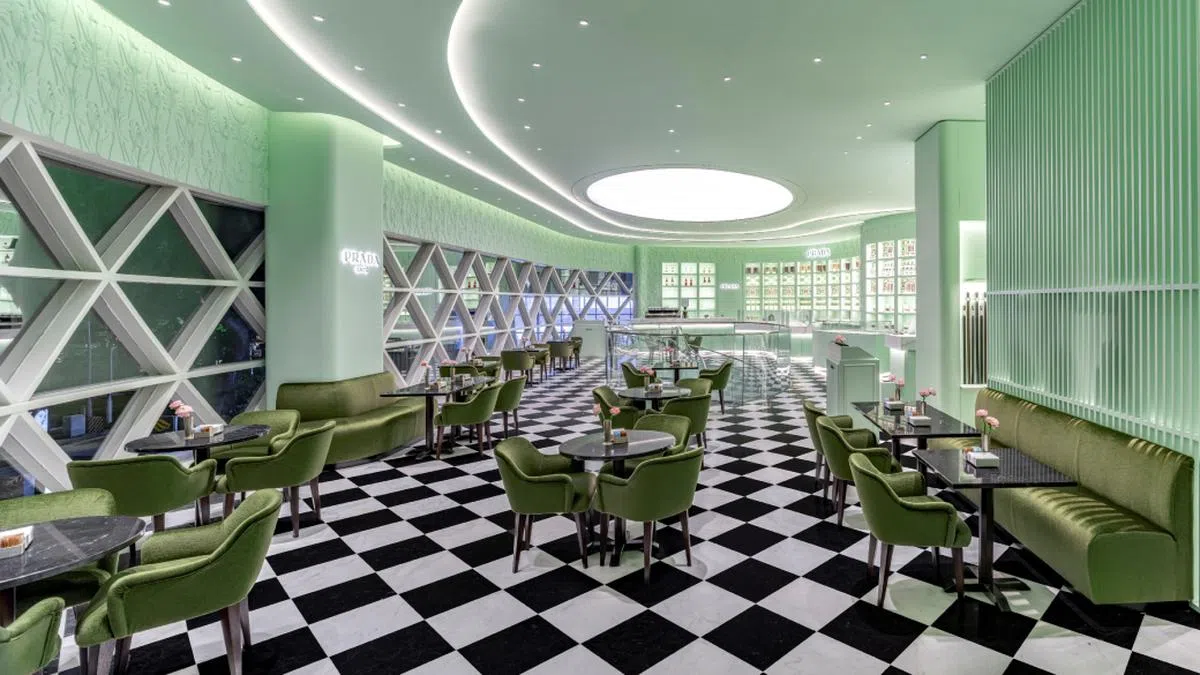
The year began with Louis Vuitton staging a Takashi Murakami pop‑up in a heritage building in Joo Chiat, drawing crowds and sparking social‑media buzz. Soon after, Chanel hosted a runway show that blurred the lines between fashion and performance art, while Prada opened a café that quickly became a hotspot for both locals and tourists. These ventures are not mere retail expansions—they are immersive experiences designed to engage audiences beyond traditional shopping.
Observers note that Singapore’s rise as a luxury hub is driven by several factors. First, its strategic location makes it a gateway to Southeast Asia’s affluent consumers. Second, the city’s reputation for safety, efficiency, and cosmopolitanism reassures global brands that their investments will pay off. Finally, Singapore’s government has actively promoted cultural and creative industries, ensuring that luxury experiences are not confined to malls but extend into heritage districts, waterfronts, and even airport spaces.
The impact on local culture is significant. Singaporeans are increasingly exposed to global design trends, while homegrown brands are inspired to elevate their own offerings. The blending of international and local creativity is evident in collaborations between global fashion houses and Singaporean artists, chefs, and designers. This cross‑pollination enriches the city’s cultural fabric and reinforces its identity as more than just a place to do business.
Yet challenges remain. Critics argue that the luxury boom risks deepening social divides, catering primarily to the wealthy while leaving ordinary Singaporeans behind. Others worry that the influx of global brands could overshadow local talent. The key, analysts suggest, is balance: ensuring that Singapore’s luxury scene also nurtures homegrown creativity and remains accessible to a wider audience.
As 2025 draws to a close, one thing is clear: Singapore is reinventing itself as a lifestyle capital, where luxury is not just about consumption but about experience. Whether sipping coffee at a Prada café or attending a Chanel runway, visitors and residents alike are witnessing a city that is reshaping its cultural identity for the future.