


After almost four years of war, a sense of cohesion has grown.
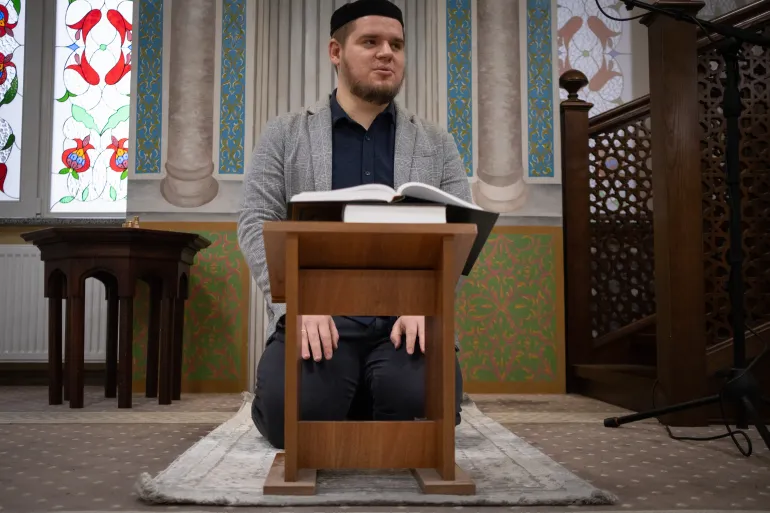
Various locations, Ukraine – When the war began, the Muhammad Asad Islamic Cultural Centre in western Ukraine opened its doors to displaced people from across the country, turning classrooms and prayer halls into temporary shelters.
Muslims lined study rooms with mattresses, cooked meals and distributed water – acts they saw as ordinary, yet gestures that quietly challenged long-held misconceptions about Islam.
Ibrahim Zhumabekov, the centre’s 29-year-old imam, said misinformation in Ukraine is prevalent, including claims that “Muslims are terrorists” and that their faith subjugates women.
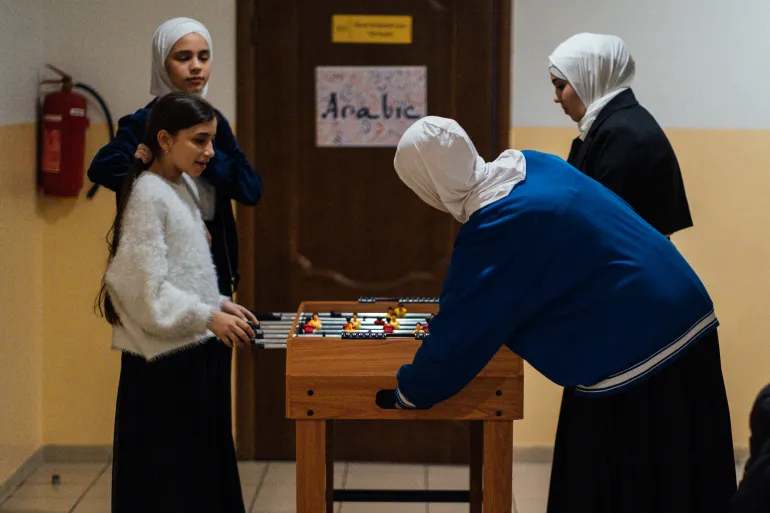
But amid the chaos of the early days of the war, these views were dispelled as hundreds of Ukrainians found peace at the centre and as women and children were given female-only quarters to sleep, change and wash in privacy.

Muslims in Ukraine
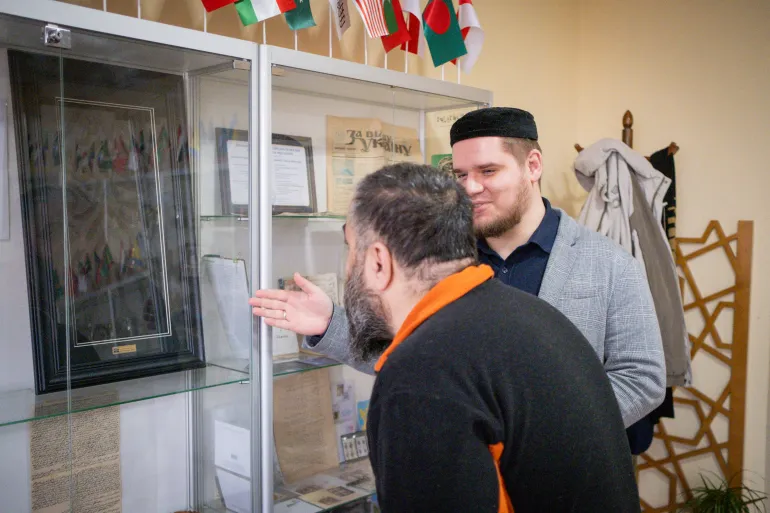
As two small, colourful birds flew overhead, chirping, Zhumabekov and 46-year-old Ezzideen el-Yaman, a visitor at the centre who is originally from Lebanon, recalled when a Ukrainian man once arrived at the centre banging on the door as he hurled anti-Muslim stereotypes.
“We invited him in, showed him around, and he changed his mind – now he visits us regularly,” Zhumabekov said, smiling.
Zhumabekov said educating Ukrainians about the country’s rich Muslim heritage is equally important, noting that Muslims in Lviv may have been present since the 14th century.
El-Yaman said watching Israel’s attacks on southern Lebanon, where his family lives, while also enduring war in Ukraine, has been emotionally exhausting.
But one positive outcome has been the coming together of diverse communities in the face of shared hardship.
In 2024, about 1.5 million Muslims lived in Ukraine, before Russia annexed Crimea and pro-Moscow separatists seized parts of eastern Ukraine in 2014.
Crimean Tatars
Questions of identity, belonging and historical injustice also resonate deeply with Ukraine’s Crimean Tatars, a Muslim ethnic minority Indigenous to the Crimean Peninsula, many of whom have faced repeated displacement over generations.
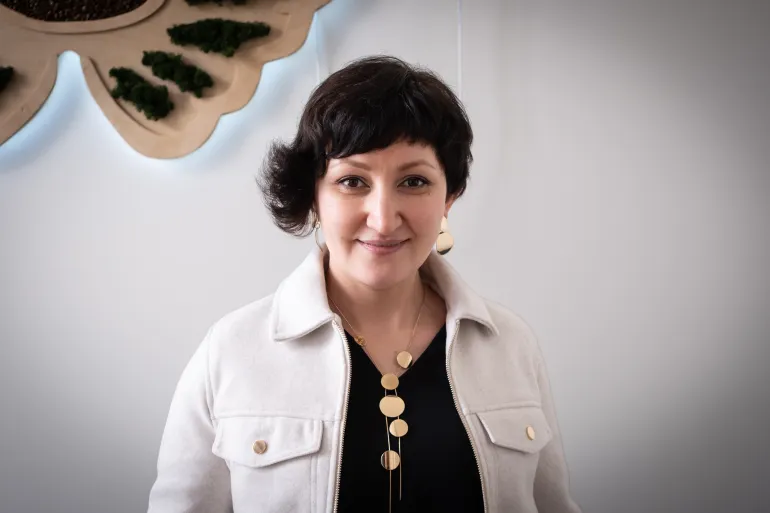
Zakhida Adylov, a 38-year-old Kyiv-based translator, said that since Russia’s full-scale invasion, many Ukrainians have become more sympathetic to the longstanding oppression of Crimean Tatars, especially as many have fought in the war.
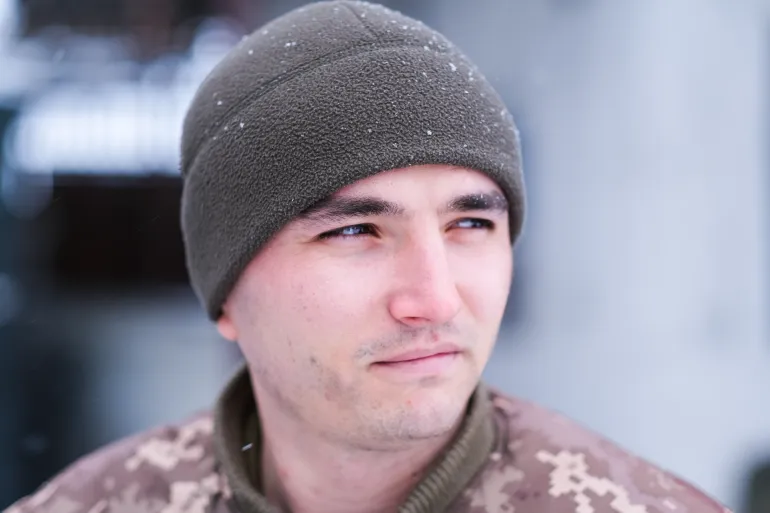
Although Ukraine’s approach to Crimean Tatars has improved, cultural initiatives remain chronically under-resourced and are forced to compete on equal terms with far larger Ukrainian institutions.
However, Adylov said discrimination still afflicts the job market, an experience she has personally encountered.
Foreign students
When the war began, an estimated 76,548 international students were enrolled at Ukrainian universities.
In the first weeks of Russia’s war, almost all of them fled the country.
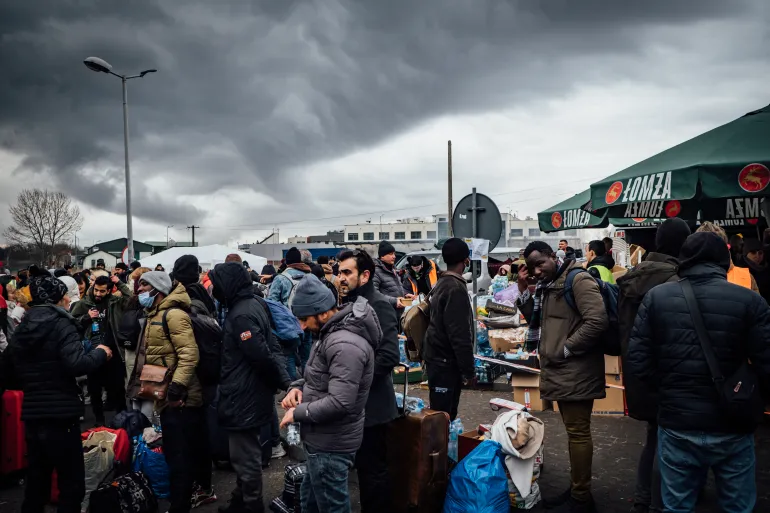
Now only a handful remain.
Basame Ngoe Ekumi, a 40-year-old Cameroonian, came to Ukraine in late 2021 to enrol at an agrarian university. Upon arrival, he realised he had been enrolled in a scheme that turned out to be a scam.
In a spiral of unfortunate events, he ended up with limited funds in a Kyiv hostel, seeing out his 90-day visa allowance, when he met a Ukrainian man who invited him to stay with his family in a small town in eastern Ukraine for Christmas.
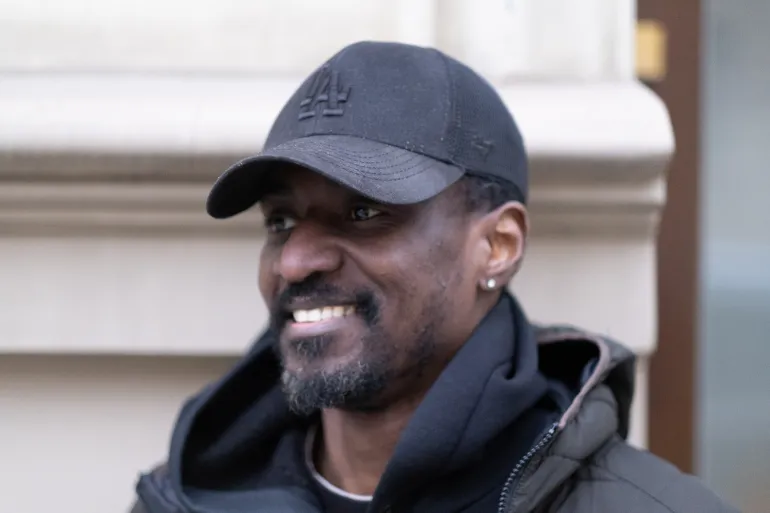
Ekumi would spend two years in the community. He was handed the keys to his friend’s house, as his hosts left for Finland or joined the war effort.
Now, he has a successful job running a website for a personal development mentor.
Standing outside a hostel in central Lviv, he said everything had changed since the war. Whereas before he feared being forced to leave due to bureaucracy, his expired passport and the absence of a Cameroonian consulate now mean he cannot leave.
However, he said he has been treated well by Ukrainians, who sympathise with him as he lives in a foreign country during wartime.
Although for different reasons, he, like most men aged 25 to 60 in Ukraine under martial law, is unable to leave the country.
The police officers who carry out regular wartime checks on men recognise this and, although he has no papers, they are always polite and let him go.
He said the experience has taught him that it does not matter what happens in life; it is how you respond to it, and although he would like to leave Ukraine at least for some time, he is content.
“People give me my space here; they are respectful,” he said.
Ukraine’s Roma minority
Of all of Ukraine’s minorities, it is perhaps the Roma communities that are the most vulnerable.
The European Roma Rights Centre says many face displacement, poverty and barriers to documentation needed for humanitarian aid.
Al Jazeera reported back in March 2022 that Roma refugees described being separated from other evacuees, as they lacked documents, and facing hostility at border crossings.
Despite this, a number have volunteered in defence and humanitarian efforts.
Ethnic Hungarians in Ukraine
About 150,000 ethnic Hungarians live in western Ukraine, mainly in the Zakarpattia region along the Hungarian border. Tensions with Budapest have flared over Ukraine’s post-2014 language and education laws, which Hungary says marginalise the minority and which it has cited to justify blocking steps towards Kyiv’s closer EU integration.
When Al Jazeera visited the Zakarpattia region, many locals said the issue had been highly politicised, but relations in everyday life remained warm.
Kornelia, a 17-year-old student who is of Hungarian ethnicity, said she is fluent in both languages. “I have friends in Hungary and friends in Ukraine; it has never been an issue for me.”