

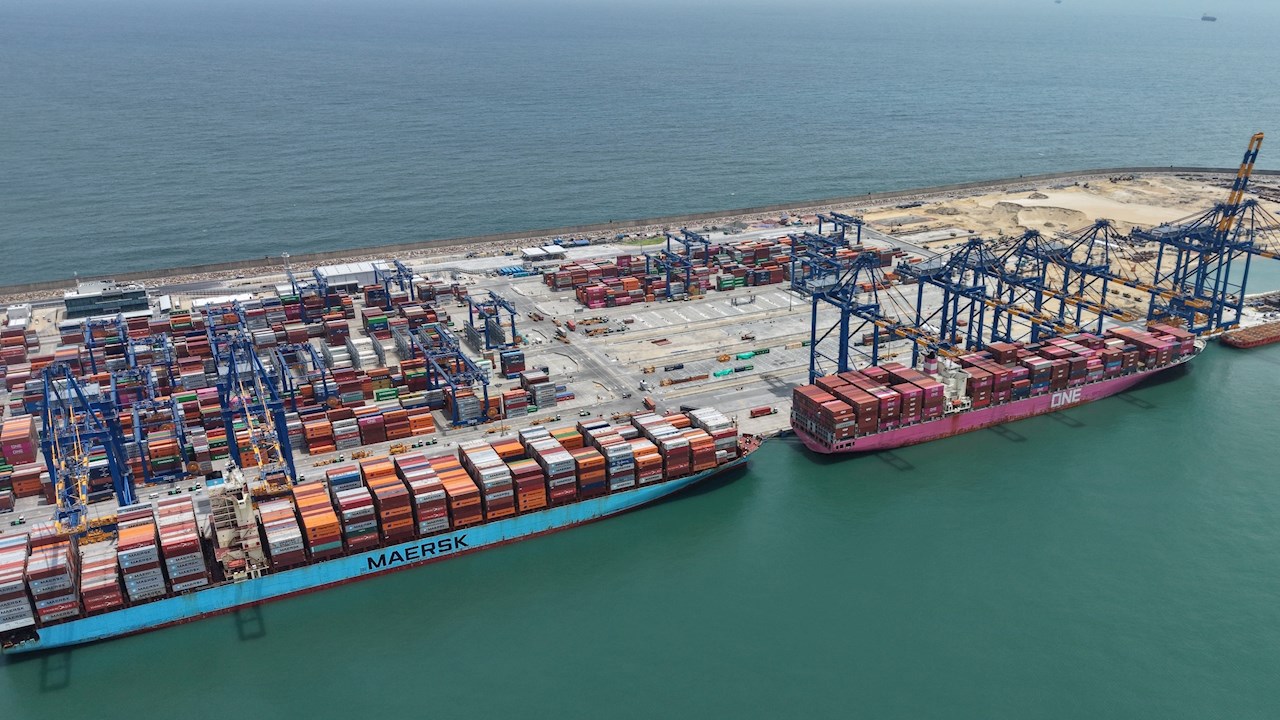
In Colombo’s bustling port, cranes swing above containers stamped with Chinese characters, a visible reminder of Sri Lanka’s deepening ties with Beijing. Yet just across the Palk Strait, India watches closely, wary of its neighbor’s growing dependence on Chinese loans and infrastructure projects.
Sri Lanka’s economic crisis in 2022 forced the government to seek urgent bailouts, and China stepped in with debt restructuring talks. At the same time, India provided billions in credit lines for fuel and food, positioning itself as a lifeline in Sri Lanka’s darkest hour. This dual reliance has left Colombo walking a tightrope: how to accept Chinese investment without alienating India, its closest neighbor and cultural kin. Ordinary Sri Lankans feel the weight of this balancing act. Fishermen in Jaffna worry about Chinese trawlers encroaching on their waters, while shopkeepers in Colombo welcome Indian goods that arrive more cheaply thanks to trade agreements. Politicians, meanwhile, face pressure from both sides — China offers long-term infrastructure, India offers immediate relief. The question is whether Sri Lanka can maintain sovereignty while navigating these competing interests.
Analysts suggest Colombo may adopt a “multi-alignment” strategy, engaging both powers
while strengthening ties with smaller nations in South Asia. For citizens, however, the priority remains simple: stability, jobs, and affordable living. Sri Lanka’s choices in the coming years will ripple across the region. If it leans too heavily toward China, India may tighten its stance. If it favors India, Chinese projects could stall. For now, Colombo continues its balancing act, hoping that diplomacy can deliver what politics alone cannot — a sustainable path forward.

