

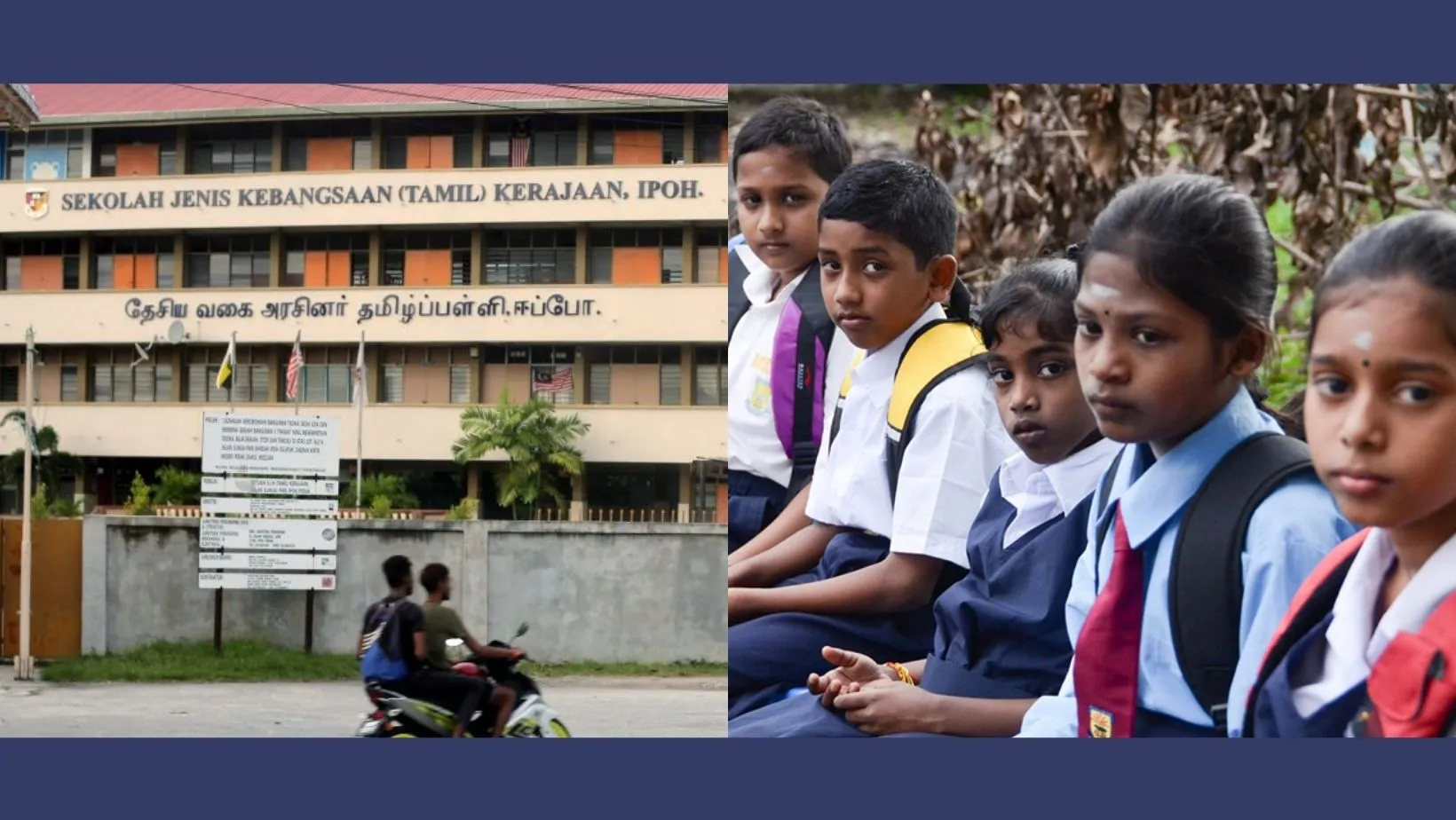
KUALA LUMPUR, Jan 2026 — The Tamil community in Malaysia, one of the country’s oldest diasporas, stands at a crossroads. Rich in culture, language, and tradition, it has contributed immensely to Malaysia’s social fabric. Yet, as modern education preferences shift and enrolment in Tamil schools declines, community leaders are sounding the alarm: how can Tamil identity be preserved while embracing the demands of a globalized future?
📖 A Historical Legacy
The Tamil presence in Malaysia dates back centuries, with early traders from South India establishing links across the Straits of Malacca. During the British colonial era, large numbers of Tamils migrated to Malaya to work in plantations, railways, and public services. Over time, they built vibrant communities, temples, and schools, ensuring that Tamil culture remained alive far from its homeland.
Tamil schools, established during this period, became more than just educational institutions. They were cultural anchors, teaching language, literature, and values that reinforced identity. Today, these schools remain a symbol of resilience, even as they face new challenges.
📚 Tamil Schools: Pride and Concern
Malaysia currently has over 530 Tamil‑language schools nationwide, a testament to the community’s commitment to education. These schools consistently produce strong academic results, with graduates excelling in both national and international arenas. In 2024, Prime Minister Anwar Ibrahim made history by inaugurating a Tamil school — the first Malaysian leader to do so — a gesture widely celebrated as recognition of the community’s contributions.
Yet, beneath the pride lies concern. Enrolment numbers are steadily falling. In 2026, only 10,330 students entered Year One, compared to 11,021 in 2025 — a decline of 691 students. MIC Deputy President Datuk Seri M. Saravanan has warned that “parents’ decisions today will shape the future of Tamil education,” urging families to recognize the long‑term value of these institutions.
Parents often face a dilemma: while Tamil schools preserve language and culture, English‑medium or national schools are perceived to offer broader opportunities in higher education and employment. This tension between cultural preservation and practical advancement is at the heart of the enrolment decline.
🌍 Cultural Exchange and Literature
Beyond education, Tamil NGOs and government agencies are working tirelessly to keep culture alive. One notable initiative is the translation of Tamil literature into Malay, bridging communities and ensuring Tamil heritage reaches wider audiences. This effort not only preserves classical works but also introduces Tamil thought and creativity to Malaysia’s multicultural society.
Festivals such as Pongal and Deepavali are celebrated nationwide, often with government support, showcasing Tamil traditions to Malaysians of all backgrounds. Tamil cinema, music, and dance continue to thrive, with local artists blending traditional forms with modern influences. These cultural expressions reinforce identity while appealing to younger generations.
⚖️ Identity and Representation
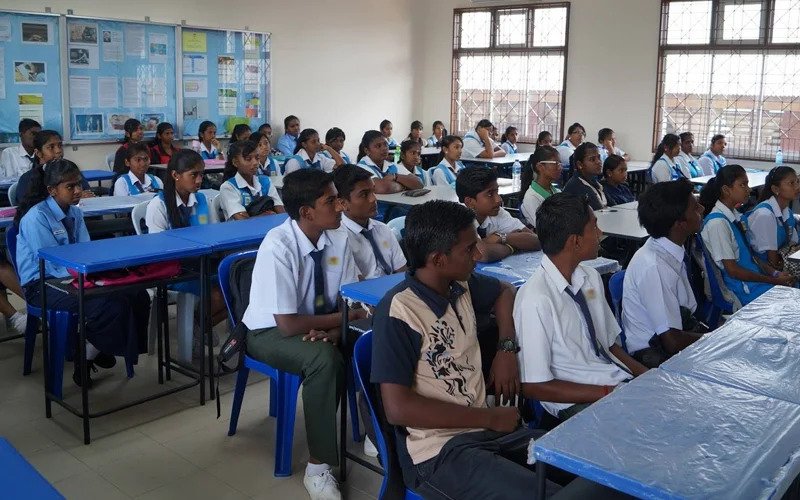
For many leaders, Tamil education is not just about language — it is about empowerment and representation. Schools serve as spaces where children learn to be proud of their heritage, while also preparing to participate fully in Malaysia’s diverse society.
Community leaders emphasize that preserving Tamil education is essential for cultural continuity. Without it, there is a risk of dilution, where future generations may lose touch with their roots. At the same time, they acknowledge the need to adapt, integrating bilingual education and modern teaching methods to remain relevant.
📉 The Challenge of Modern Preferences
The decline in enrolment reflects broader societal changes. Parents increasingly prioritize English and Malay proficiency, viewing them as gateways to higher education and career success. Globalization has heightened this perception, with English seen as the language of opportunity.
This does not mean Tamil is being abandoned. Many families continue to teach the language at home, through community classes, or cultural activities. However, without institutional support, sustaining Tamil literacy at a high level becomes difficult.
🔑 Opportunities for Renewal
Despite challenges, there are opportunities for renewal. Experts suggest several strategies:
• Bilingual Education Models: Integrating Tamil with English and Malay to balance cultural preservation with practical needs.
• Digital Platforms: Using apps, online classes, and social media to engage youth in Tamil learning.
• Community Partnerships: Collaborating with NGOs, universities, and government agencies to strengthen resources.
• Entrepreneurship and Innovation: Encouraging Tamil youth to apply cultural knowledge in creative industries, from media to technology.
These approaches could help Tamil schools remain relevant while addressing parental concerns about employability and global competitiveness.
🌟 Success Stories
The Tamil community has produced countless success stories in Malaysia. From academics and professionals to entrepreneurs and artists, Tamils have contributed significantly to national development.
For example, Tamil entrepreneurs in the food and retail industries have built thriving businesses, blending tradition with modern branding. Tamil writers and journalists continue to enrich Malaysia’s literary scene, while cultural leaders ensure festivals and traditions remain vibrant. These achievements demonstrate that Tamil identity can coexist with modern success.
🧭 Looking Ahead
The future of the Tamil community in Malaysia depends on striking a balance between heritage and progress. Leaders stress that preserving Tamil schools is not about resisting change, but about ensuring diversity remains a strength in Malaysia’s multicultural landscape.
Parents, educators, and policymakers must work together to create pathways where Tamil identity is celebrated, while also equipping youth with the skills needed for global success. As Saravanan noted, “The choices we make today will decide whether Tamil education thrives or fades.”
✍️ Conclusion
The Tamil community in Malaysia is celebrated for its resilience, cultural pride, and contributions to national life. Yet, declining enrolment in Tamil schools signals an urgent need for action. Sustained parental support, innovative education models, and continued government backing will be crucial to safeguard Tamil identity for generations to come.
At its heart, the story of the Tamil community is one of adaptation. From plantation workers to professionals, from traditional schools to digital classrooms, Tamils in Malaysia have continually reinvented themselves while holding fast to their heritage. The challenge now is to ensure that this heritage remains a living force — not just a memory — in the decades ahead.

