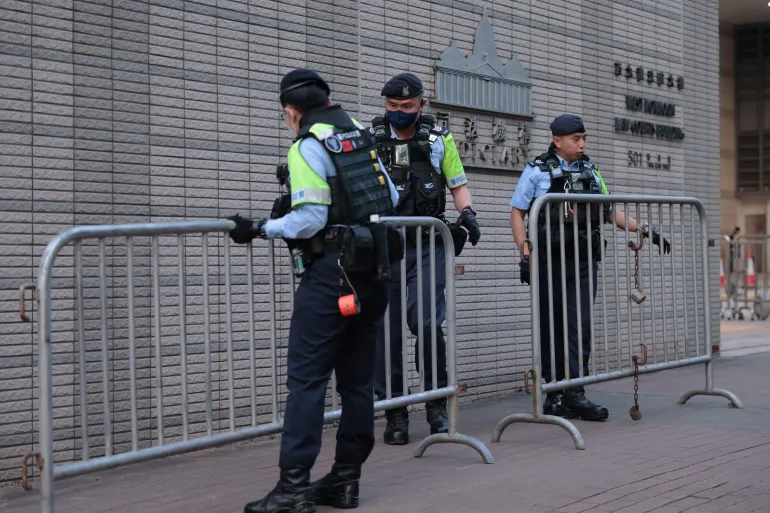
The appellants were among 45 opposition figures sentenced to prison in 2024 for organising an unofficial primary election.
The Hong Kong Court of Appeal has dismissed an appeal by jailed democracy campaigners in a high-profile subversion case brought under the Beijing-imposed national security law.
The verdict on Monday stems from the “Hong Kong 47” case, where many leading pro-democracy activists and politicians were arrested en masse for organising an unofficial primary election that authorities deemed to be a subversive plot.
Forty-five of the defendants were sentenced in 2024 to between four years and 10 years in prison, with the punishments drawing criticism from foreign governments and rights groups.
Eleven of the activists who appealed their convictions lost their bids on Monday.
They included former lawmakers Leung Kwok-hung, Lam Cheuk-ting, Raymond Chan and Helena Wong, as well as former journalist Gwyneth Ho.
All appeals over sentences were also dismissed by the Court of Appeal.
Lawrence Lau, a pro-democracy former district councillor, was one of two activists acquitted in the case. Judges upheld his acquittal following an appeal by the prosecution.
The cases stem from the aftermath of huge, sometimes violent pro-democracy protests that convulsed Hong Kong from 2019. The following year, in June, Beijing imposed a sweeping national security law that snuffed out most dissent in the semi-autonomous city.
In July of that year, the pro-democracy camp held its unofficial primary to shortlist candidates for a legislative election later that year.
The camp hoped to secure a majority in the legislature so they could then threaten to veto the city budget unless the government accepted demands like universal suffrage and greater police accountability.
A record number of voters turned out for the unofficial poll.
Months later, authorities rounded up the opposition figures in a mass arrest.
Aged between 28 and 69, the group included democratically elected lawmakers and district councillors, as well as unionists, academics and others, ranging from modest reformists to radical localists.
During the trial, prosecutors said the activists aimed to paralyse Hong Kong’s government and force the city’s leader to resign.
The judges said in their 2024 verdict that the activists’ plans to effect change through the unofficial primary would have undermined the government’s authority and created a constitutional crisis.
During the appeal hearing last year, defence lawyer Erik Shum said that lawmakers should be allowed to veto the budget as a form of “check and balance”, as stated in Hong Kong’s mini-constitution.
“In order to check the unpopular exercise of powers by the executive, one of the important measures is to tie the purse,” he told the court.
Some of the appellants have already spent nearly five years behind bars.
As of last month, 18 other defendants who did not contest their convictions have been released after completing their sentences.
In recent years, Hong Kong has faced more restrictions on freedom of expression and the press.
Earlier this month, a Hong Kong court sentenced pro-democracy media tycoon Jimmy Lai to 20 years in prison in a verdict that media and rights groups have described as “cruel and profoundly unjust”.