

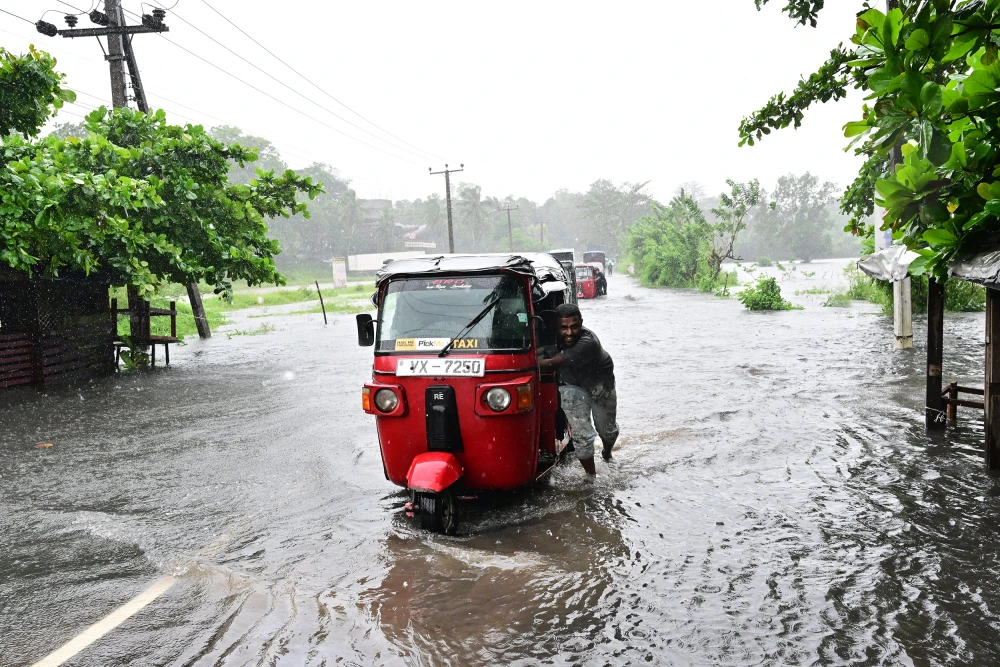
The deadly storms that tore through Sri Lanka, Indonesia, Thailand, and Malaysia in late 2025 should
not be dismissed as isolated “acts of nature.” They are part of a growing pattern of extreme weather
events that demand we confront the reality of climate change. With more than 1,600 lives lost and
millions displaced, the tragedy is a stark reminder that the climate crisis is no longer a distant
threat—it is here, reshaping lives across Asia.
Meteorologists have linked the devastation to Cyclone Ditwah, which collided with intensified
monsoon systems to unleash unprecedented rainfall. Villages in Sumatra were buried under
landslides, Sri Lanka’s highlands saw homes swept away, and Thailand’s provinces endured
widespread flooding. Malaysia’s east coast was battered by flash floods, leaving communities
scrambling for shelter. These events are not random—they are consistent with scientific warnings
that warmer oceans and shifting weather patterns fuel stronger, deadlier storms.
Governments have responded with emergency aid, deploying helicopters, warships, and military
personnel to rescue survivors. Yet relief efforts, however heroic, are reactive. What is missing is a
proactive strategy to build climate resilience. Infrastructure in rural areas remains fragile, drainage
systems are overwhelmed, and early warning systems are often inadequate. Without investment in
resilience, the cycle of disaster and recovery will continue, each storm eroding livelihoods and
deepening poverty.
Critics often argue that climate change is a global issue beyond the control of individual nations. But
the storms of 2025 prove otherwise. Local choices—deforestation, unchecked urbanization, reliance
on fossil fuels—magnify vulnerability. Conversely, local action—renewable energy adoption,
reforestation, resilient housing—can save lives. The question is whether governments will act with
urgency or continue to treat climate change as tomorrow’s problem.
The storms that battered Asia are not just disasters; they are warnings written in floodwaters and
landslides. If we fail to heed them, the cost will be measured not only in lives lost but in futures
foreclosed. Climate resilience is no longer optional—it is the only path forward.

